








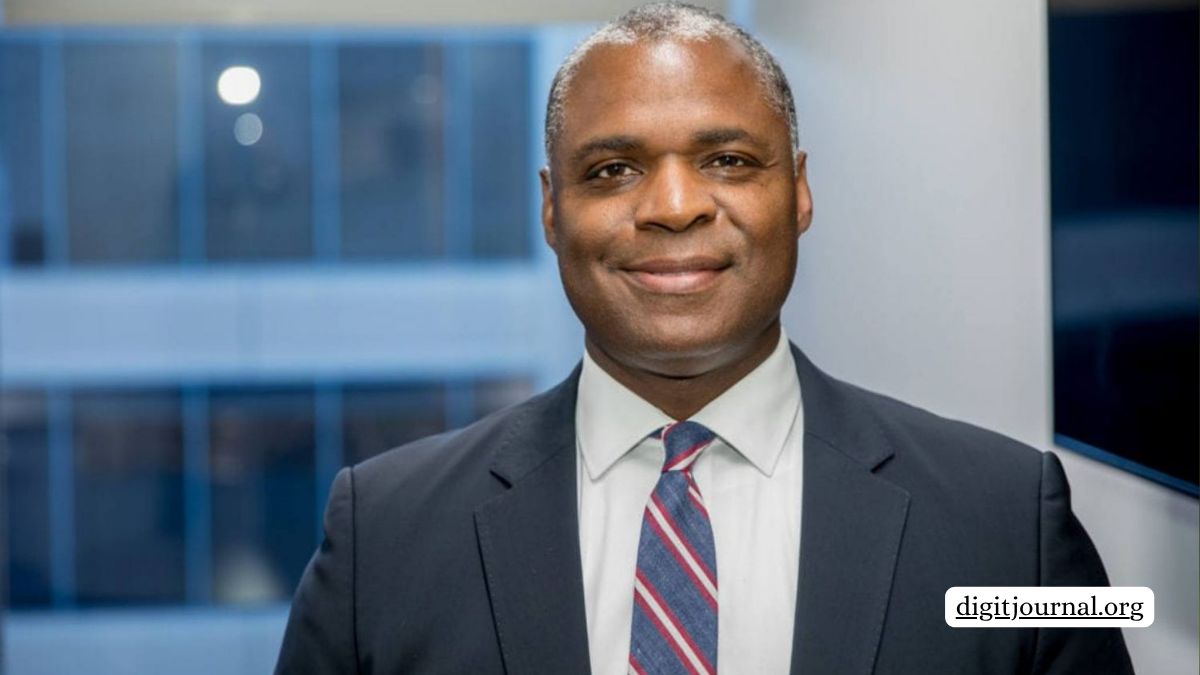
Understanding the role of a marta ceo goes far beyond a simple executive title. It represents the strategic leadership at the heart of one of the most important public transportation systems in the United States. The Metropolitan Atlanta Rapid Transit Authority (MARTA) serves millions of riders annually, and its CEO plays a critical role in shaping mobility, economic growth, and urban development across the Atlanta region.
This comprehensive guide explores the responsibilities, influence, and strategic importance of the marta ceo, offering deep insights into leadership dynamics, operational challenges, and the evolving future of transit systems.
The Role and Responsibilities of a MARTA CEO
The position of a marta ceo encompasses both executive leadership and public accountability. Unlike private-sector CEOs, this role requires balancing financial sustainability with public service obligations, making it uniquely complex.
At its core, the marta ceo oversees system-wide operations, including rail, bus, and paratransit services. This includes budget management, long-term planning, workforce leadership, and ensuring that transit services meet the needs of a growing metropolitan population.
Strategic Leadership in Public Transportation
A marta ceo must think strategically while remaining grounded in daily operational realities. The ability to align long-term transit goals with short-term service improvements is essential for maintaining rider trust and system efficiency.
This role often involves coordinating with government officials, regional planners, and private stakeholders to ensure that transportation policies align with broader urban development strategies. Effective leadership directly impacts ridership growth and public perception.
Organizational Structure and Executive Oversight
The marta ceo operates within a structured governance model that includes a board of directors, executive teams, and department heads. This layered structure requires strong communication and delegation skills.
From overseeing capital projects to managing safety protocols, the CEO must ensure that each department operates cohesively. Organizational alignment is critical to delivering consistent and reliable transit services.
Financial Management and Budget Accountability
One of the most demanding aspects of being a marta ceo is financial stewardship. Public transportation systems rely on a mix of fare revenue, government funding, and grants, all of which require careful allocation.
The CEO must balance cost efficiency with service quality, ensuring that investments in infrastructure, technology, and workforce development yield measurable returns. Financial transparency is also crucial for maintaining public trust.
Infrastructure Development and Expansion
Transit systems must evolve to meet changing urban demands, and the marta ceo plays a central role in planning expansions. This includes new rail lines, bus rapid transit corridors, and station upgrades.
Infrastructure decisions have long-term implications, often spanning decades. The CEO must evaluate population trends, economic forecasts, and environmental considerations to make informed decisions.
Technology Integration and Innovation
Modern transit systems rely heavily on technology, and the marta ceo must champion innovation. This includes implementing smart ticketing systems, real-time tracking, and data-driven decision-making tools.
Technology not only improves operational efficiency but also enhances the rider experience. Investing in digital transformation is no longer optional—it is essential for staying competitive and relevant.
Customer Experience and Service Quality
Public perception of transit systems often hinges on customer experience. The marta ceo must prioritize reliability, cleanliness, and accessibility to ensure rider satisfaction.
Improving service quality requires continuous feedback loops, performance monitoring, and responsiveness to rider concerns. A customer-centric approach strengthens public trust and encourages higher ridership.
Workforce Leadership and Culture
Managing a large and diverse workforce is a key responsibility of the marta ceo. Employees range from operators and maintenance staff to engineers and administrative professionals.
Creating a positive organizational culture is essential for maintaining morale and productivity. Leadership must foster inclusivity, safety, and professional development opportunities across all levels.
Regulatory Compliance and Safety Standards
Safety is a top priority in public transportation, and the marta ceo must ensure compliance with federal, state, and local regulations. This includes oversight of safety protocols, inspections, and emergency preparedness.
Maintaining high safety standards not only protects passengers but also reinforces the system’s credibility. Compliance failures can have significant financial and reputational consequences.
Community Engagement and Public Relations
The marta ceo serves as a public-facing leader, often engaging with community groups, media, and stakeholders. Transparent communication is essential for building trust and managing expectations.
Community engagement initiatives help identify local needs and foster collaboration. A proactive approach to public relations can mitigate criticism and strengthen community support.
Challenges Facing a MARTA CEO
The role of a marta ceo is not without challenges. Issues such as funding constraints, aging infrastructure, and fluctuating ridership present ongoing obstacles.
Additionally, external factors like economic shifts, urban sprawl, and changing commuter behaviors require adaptive strategies. Effective leadership involves anticipating and addressing these challenges proactively.
Opportunities for Growth and Innovation
Despite challenges, there are significant opportunities for a marta ceo to drive growth. Expanding transit access, integrating new technologies, and enhancing sustainability initiatives can transform the system.
By leveraging data and innovation, the CEO can position MARTA as a model for modern urban transit. Growth strategies must balance ambition with practicality.
Comparative Insights: Public vs Private Sector CEOs
| Aspect | Public Transit CEO (MARTA) | Private Sector CEO |
|---|---|---|
| Primary Goal | Public service and accessibility | Profit maximization |
| Funding Sources | Government and fares | Revenue and investments |
| Accountability | Public and government | Shareholders |
| Decision Speed | Often slower due to regulations | Faster and flexible |
| Stakeholder Complexity | High | Moderate |
This comparison highlights the unique demands placed on a marta ceo, emphasizing the balance between efficiency and public responsibility.
Leadership Traits of an Effective MARTA CEO
Strong leadership is essential for navigating the complexities of public transportation. The marta ceo must demonstrate vision, resilience, and adaptability.
Equally important are communication skills, emotional intelligence, and the ability to inspire teams. These traits enable the CEO to lead effectively in a dynamic environment.
Sustainability and Environmental Responsibility
Sustainability is a growing priority in transit systems, and the marta ceo plays a key role in advancing green initiatives. This includes reducing emissions, adopting clean energy, and promoting eco-friendly transportation options.
Environmental responsibility not only benefits the planet but also enhances the system’s reputation. Sustainable practices are increasingly expected by both riders and policymakers.
The Impact of Urban Growth on MARTA Leadership
As cities expand, transit systems must scale accordingly. The marta ceo must anticipate population growth and adjust service offerings to meet demand.
Urban growth also brings challenges such as congestion and infrastructure strain. Strategic planning is essential to ensure that transit systems remain efficient and accessible.
Crisis Management and Resilience
Unexpected events such as natural disasters, pandemics, and economic downturns test the resilience of transit systems. The marta ceo must be prepared to lead during crises.
Effective crisis management involves quick decision-making, clear communication, and maintaining service continuity. Resilience planning is a critical component of leadership.
Data-Driven Decision Making
Modern transit systems generate vast amounts of data, and the marta ceo must leverage this information to make informed decisions. Data analytics can improve scheduling, resource allocation, and service efficiency.
By embracing data-driven strategies, the CEO can enhance operational performance and deliver better outcomes for riders.
Partnerships and Regional Collaboration
Collaboration with regional agencies, private companies, and community organizations is essential for success. The marta ceo must build and maintain strong partnerships.
These collaborations can lead to innovative solutions, shared resources, and improved service integration. Partnerships are a cornerstone of modern transit systems.
Future Trends in Public Transportation Leadership
The role of a marta ceo is evolving as new trends emerge. These include autonomous vehicles, mobility-as-a-service, and increased digital integration.
Staying ahead of these trends requires continuous learning and adaptability. The future of transit leadership will be shaped by innovation and technological advancement.
Conclusion
The position of a marta ceo represents a unique blend of executive leadership, public service, and strategic vision. From managing complex operations to driving innovation, the CEO plays a pivotal role in shaping the future of urban transportation.
As cities continue to grow and evolve, the importance of strong, forward-thinking leadership cannot be overstated. The marta ceo stands at the intersection of mobility, sustainability, and community development, making it one of the most impactful roles in public infrastructure.
FAQ
What does a marta ceo do?
A marta ceo oversees all operations, strategy, and leadership of the transit system, ensuring efficient and reliable public transportation services.
How is a marta ceo different from a private CEO?
The marta ceo focuses on public service and accountability, balancing financial management with accessibility and community needs.
What skills are required to be a marta ceo?
Key skills include leadership, strategic planning, financial management, communication, and experience in transportation or public administration.
Why is the marta ceo important for urban development?
The marta ceo influences transit expansion and infrastructure, which directly impacts economic growth and city planning.
What challenges does a marta ceo face?
Common challenges include funding limitations, infrastructure maintenance, evolving rider needs, and regulatory compliance.
Also read : june baranco