








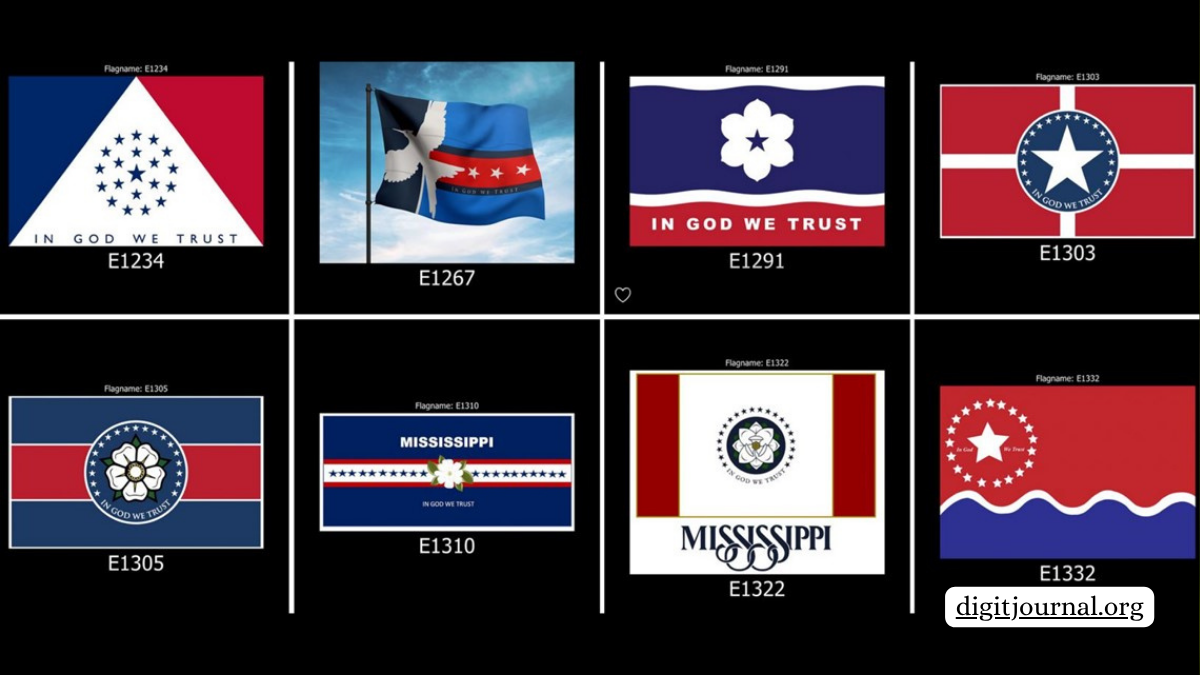
The flags of MS tell a powerful story of identity, heritage, and transformation. Far beyond simple fabric designs, these flags reflect shifting cultural values, political change, and the evolving voice of the people of Mississippi. Whether you’re researching state symbols, exploring American history, or simply curious about flag design, understanding the flags of MS provides a unique window into the past and present.
This in-depth guide explores the origins, symbolism, controversies, and modern interpretations of the flags of MS. Written with clarity and authority, it delivers everything you need to understand their significance, design elements, and ongoing relevance in today’s cultural landscape.
Overview of Flags of MS and Their Importance
The flags of MS represent more than state identity; they encapsulate a narrative of change, tradition, and social dialogue. Each version of the flag reflects a specific historical moment, shaped by the values and tensions of its time.
Understanding the flags of MS allows readers to grasp how visual symbols influence public perception, unity, and identity, especially within a state with a deeply layered history.
Early Symbolism Before Official State Flags
Before the adoption of official state flags, Mississippi used informal symbols that reflected its regional affiliations and early governance. These early banners were often influenced by military and territorial identities.
These early representations laid the groundwork for the more formalized flags ofMS, establishing visual patterns and symbolic elements that would persist in later designs.
The 1894 Mississippi State Flag
The 1894 flag marked the first widely recognized official design among the flags ofMS. It incorporated elements such as the Confederate battle emblem, reflecting the political climate of the time.
While widely used for over a century, this flag became a subject of debate due to its symbolism, ultimately influencing future changes in the flags of MS.
Symbolism Embedded in the 1894 Design
The design elements of the 1894 flag carried layered meanings, including references to heritage, conflict, and regional identity. The inclusion of certain symbols reflected historical narratives tied to the Civil War.
These symbolic choices made the flags ofMS both meaningful and controversial, illustrating how design can carry complex emotional and political weight.
Public Debate and Cultural Shifts
Over time, public perception of the flags ofMS began to shift, particularly as conversations around representation and inclusivity gained prominence. The 1894 design became a focal point for these discussions.
These debates highlighted the role of state symbols in shaping collective identity, prompting calls for redesign and modernization of the flags ofMS.
The 2001 Referendum and Its Impact
In 2001, Mississippi held a referendum to decide whether to change its state flag. The majority voted to retain the existing design, reflecting the divided opinions at the time.
This moment was pivotal in the history of the flags of MS, demonstrating the complexity of public sentiment and the challenges of balancing tradition with progress.
Transition Toward a New Flag
By 2020, momentum for change had grown significantly, leading to legislative action to redesign the state flag. This marked a turning point in the evolution of the flags ofMS.
The transition process involved public input, design submissions, and a renewed focus on creating a symbol that could unite diverse communities.
The 2020 Mississippi Flag Redesign
The 2020 redesign introduced a new flag known as the “New Magnolia Flag,” which replaced previous controversial elements with a more inclusive design.
This modern addition to the flags ofMS reflects a commitment to unity, progress, and a reimagined state identity rooted in shared values.
Symbolism of the New Magnolia Flag
The new flag features a magnolia flower, symbolizing hospitality and resilience, along with stars representing unity and heritage. The design emphasizes inclusivity and forward-thinking.
This updated representation within the flags ofMS demonstrates how symbolism can evolve to better reflect contemporary values while honoring tradition.
Comparison of Historical and Modern Flags
Below is a detailed comparison of key characteristics across major versions of the flags of MS:
| Feature | 1894 Flag | 2020 Magnolia Flag |
|---|---|---|
| Key Symbol | Confederate emblem | Magnolia flower |
| Color Scheme | Red, white, blue | Blue, gold, white |
| Cultural Interpretation | Historical but controversial | Inclusive and modern |
| Public Reception | Divided | Broadly positive |
| Representation | Regional identity | Unity and diversity |
| Legislative Status | Replaced in 2020 | Current official state flag |
This comparison highlights the evolution of the flags of MS and the shifting priorities reflected in their designs.
Design Principles Behind State Flags
Effective flag design relies on simplicity, symbolism, and recognizability. The flags of MS illustrate how these principles can be applied differently across time periods.
Modern designs tend to prioritize inclusivity and clarity, ensuring that the flag resonates with a broader audience while maintaining visual impact.
Cultural Impact of the Flags of MS
The flags of MS have played a significant role in shaping cultural identity and public discourse. They are displayed in schools, government buildings, and public spaces.
Their presence influences how residents and outsiders perceive Mississippi, making them powerful tools of representation and communication.
Educational Value and Awareness
Studying the flags of MS provides valuable insights into American history, civic engagement, and cultural evolution. It encourages critical thinking about symbols and their meanings.
Educational initiatives often use these flags as case studies to explore broader themes such as identity, history, and societal change.
Common Misconceptions About the Flags of MS
One common misconception is that flags are static symbols with fixed meanings. In reality, the flags of MS demonstrate how interpretations can change over time.
Another misunderstanding is that redesigns erase history, when in fact they often reflect an ongoing dialogue between past and present.
A Quote That Captures the Evolution
“A flag is not just a symbol of where we have been, but a reflection of who we choose to become.”
This quote encapsulates the journey of the flags of MS and their role in representing evolving values and aspirations.
Influence on Other State Flag Discussions
The evolution of the flags of MS has influenced conversations in other states about their own symbols and representations. It has become a reference point for change.
This broader impact underscores the importance of thoughtful design and public engagement in shaping state identity.
The Role of Public Participation
Public input played a crucial role in redesigning the flags of MS. Citizens contributed ideas, feedback, and perspectives that shaped the final design.
This participatory approach strengthened the legitimacy of the new flag and reinforced its role as a unifying symbol.
Visual Identity and Branding
State flags function as visual brands, representing regions in national and global contexts. The flags of MS contribute to Mississippi’s identity in tourism, commerce, and culture.
A well-designed flag enhances recognition and fosters a sense of pride among residents and stakeholders.
Future of the Flags of MS
The future of the flags of MS will likely continue to evolve as societal values shift and new generations reinterpret their meaning. Symbols are never entirely static.
Ongoing dialogue ensures that the flags remain relevant, meaningful, and representative of the people they serve.
Conclusion
The flags of MS offer a rich narrative of history, change, and identity. From early symbols to the modern Magnolia Flag, each version reflects the evolving values of Mississippi.
Understanding the flags of MS provides not only historical insight but also a deeper appreciation for how symbols shape and reflect collective identity. As conversations continue, these flags will remain central to the story of Mississippi’s past, present, and future.
FAQ
What are the flags of MS?
The flags of MS refer to the historical and current state flags of Mississippi, each representing different periods and values in the state’s history.
Why did the flags of MS change in 2020?
The flags of MS changed in 2020 to create a more inclusive and representative symbol that reflects modern values and unity.
What does the Magnolia Flag represent?
The Magnolia Flag, part of the flags of MS, symbolizes hospitality, resilience, and unity through its floral and star elements.
Was the 1894 flag controversial?
Yes, the 1894 version of the flags of MS was controversial due to its inclusion of Confederate imagery.
How are the flags of MS used today?
The flags of MS are used in government, education, and public spaces as symbols of state identity and heritage.
Can the flags of MS change again in the future?
Yes, like all symbols, the flags of MS may evolve over time as societal values and perspectives continue to shift.
Also read : bros stock