








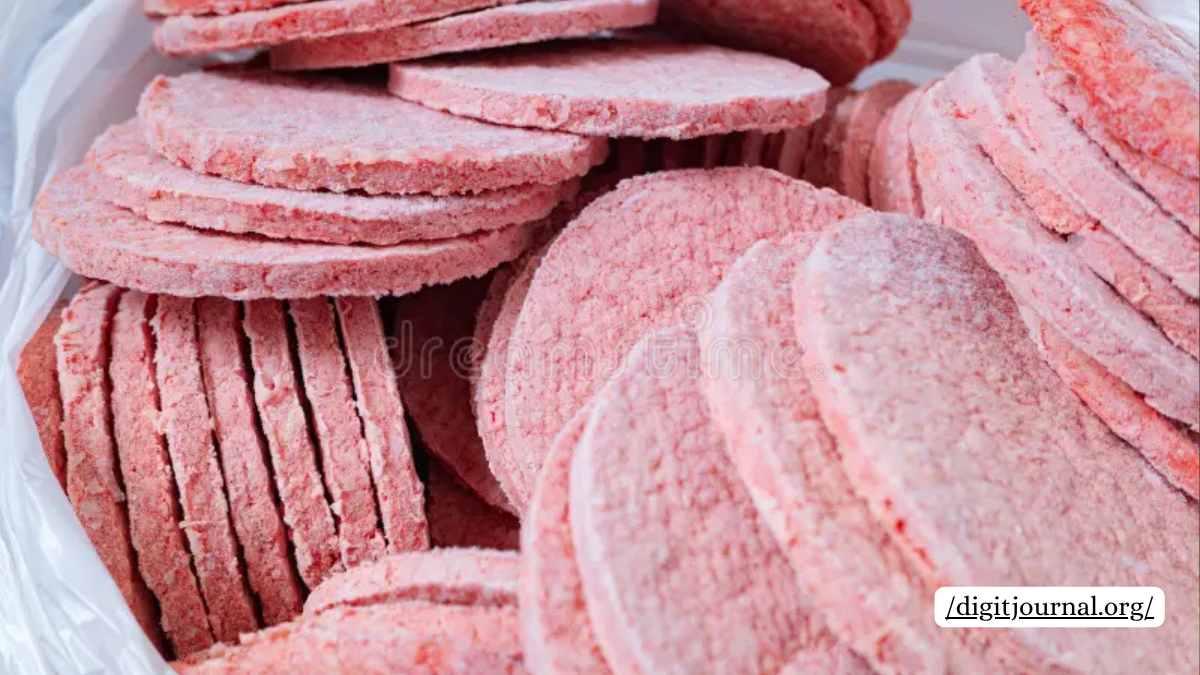
Frozen beef patties have become a cornerstone of modern convenience cooking, offering a fast, reliable way to prepare burgers without sacrificing too much flavor or texture when handled correctly. Whether used for home grilling, quick weeknight dinners, or large-scale food service operations, they provide consistency and accessibility that fresh-prep alternatives sometimes struggle to match.
This in-depth guide explores everything from production methods and ingredient quality to cooking techniques, storage practices, and consumer buying strategies. By the end, you’ll understand how to get the best results from frozen beef patties and how to choose products that genuinely deliver on taste and value.
Understanding What Frozen Beef Patties Are
Frozen beef patties are pre-formed portions of ground beef that are shaped into uniform discs and rapidly frozen to preserve freshness. This process locks in flavor, slows bacterial growth, and allows for extended storage without significant quality loss when handled properly.
Most frozen beef patties are made from ground beef blends that may include varying fat ratios, typically ranging from 70/30 to 85/15 lean-to-fat proportions. These ratios significantly influence juiciness, texture, and cooking behavior.
How Frozen Beef Patties Are Manufactured
The production of frozen beef patties involves a controlled industrial process designed for consistency and safety. Meat is ground, blended for fat distribution, formed into uniform shapes, and then flash-frozen using blast freezing technology.
This rapid freezing method helps minimize ice crystal formation, which is critical for maintaining texture integrity. The goal is to ensure that frozen beef patties retain as much of their original moisture and structure as possible after thawing or cooking.
Nutritional Profile and Ingredient Variations
Frozen beef patties typically provide a strong source of protein, iron, zinc, and vitamin B12, making them a nutrient-dense protein option. However, nutritional content varies widely depending on fat percentage and additives used.
Some products contain only beef and salt, while others include binders, preservatives, or seasoning blends. Understanding ingredient labels is essential for consumers seeking cleaner or more natural frozen beef patties.
Storage Guidelines and Food Safety Practices
Proper storage is critical for maintaining the quality of frozen beef patties. They should be kept at or below -18°C (0°F) to prevent bacterial growth and freezer burn.
Once thawed, patties should not be refrozen unless cooked first. This ensures food safety while preserving the intended texture and flavor profile.
Cooking Methods for Best Results
Frozen beef patties can be cooked directly from frozen or thawed beforehand, depending on preference and time constraints. Cooking from frozen requires slightly longer heat exposure but can still produce juicy results when managed correctly.
Grilling, pan-searing, and air frying are the most common methods. Each technique impacts crust formation, moisture retention, and overall flavor development differently.
Flavor Development and Texture Science
Flavor in frozen beef patties is heavily influenced by fat rendering during cooking. As fat melts, it bastes the meat internally, contributing to juiciness and richness.
Texture depends on grinding size, fat distribution, and freezing speed. When properly manufactured, frozen beef patties can closely replicate fresh-ground beef burger quality.
Comparison of Frozen Beef Patties vs Fresh Patties
Below is a structured comparison highlighting key differences between frozen and fresh burger patties:
| Feature | Frozen Beef Patties | Fresh Beef Patties |
|---|---|---|
| Shelf Life | Long-term (months) | Short-term (days) |
| Convenience | High | Moderate |
| Flavor Control | Consistent but standardized | Highly customizable |
| Texture | Stable if properly frozen | Potentially more tender |
| Cost Efficiency | Often more affordable | Typically higher cost |
| Food Waste | Low | Higher risk |
This comparison shows why frozen beef patties are widely used in both households and commercial kitchens.
Best Seasoning Practices for Frozen Patties
Seasoning plays a crucial role in elevating frozen beef patties from basic to restaurant-quality. Simple salt and pepper often work best, as they enhance natural beef flavor without overpowering it.
Some cooks prefer adding garlic powder, smoked paprika, or onion powder to create deeper flavor profiles. The key is to season just before cooking to prevent moisture loss.
Cooking from Frozen vs Thawed State
Cooking frozen beef patties directly can preserve internal moisture, but requires careful heat management to avoid uneven cooking. Lower heat at the start, followed by searing, often yields the best results.
Thawed patties cook faster and allow for more precise seasoning integration. However, improper thawing can lead to texture degradation and moisture loss.
Industry Standards and Quality Grading
Frozen beef patties are often produced under strict food safety and quality grading systems. These standards ensure consistency in fat content, hygiene, and processing conditions.
Higher-grade frozen beef patties typically use USDA Choice or Select beef cuts, while lower-cost versions may include trimmings or blended cuts.
Consumer Buying Guide for Frozen Beef Patties
When selecting frozen beef patties, consumers should evaluate ingredient transparency, fat ratio, and brand reputation. Products with minimal additives often deliver better flavor and cleaner nutrition.
Packaging integrity is also important. Vacuum-sealed or tightly wrapped patties reduce freezer burn risk and maintain quality longer.
Common Misconceptions About Frozen Beef Patties
A common misconception is that frozen beef patties are significantly inferior to fresh ones in all cases. In reality, modern flash-freezing technology has narrowed the quality gap considerably.
Another misconception is that all frozen patties contain fillers or low-quality meat. Many premium options use pure beef with no additives.
Culinary Applications Beyond Burgers
Frozen beef patties are not limited to traditional burgers. They can be crumbled into pasta sauces, chopped for tacos, or used in rice bowls and casseroles.
Their pre-portioned format makes them ideal for meal prep and fast cooking applications where consistency is essential.
Cost Efficiency and Food Service Value
For restaurants and catering services, frozen beef patties offer predictable portion control and reduced labor costs. This helps maintain consistency across large orders.
Bulk purchasing also reduces overall ingredient expenses, making them a practical choice for high-volume food operations.
Trends in the Frozen Meat Industry
The frozen meat sector has evolved significantly, with increasing demand for higher-quality, minimally processed products. Consumers are more aware of sourcing and nutritional transparency than ever before.
Plant-blended and premium grass-fed frozen beef patties are emerging trends, reflecting changing dietary preferences and sustainability concerns.
Expert Insight on Product Quality
Food safety expert commentary often emphasizes consistency and handling:
“The quality of frozen meat products depends less on freezing itself and more on how quickly and cleanly the product is processed before freezing.”
This highlights why production standards matter as much as cooking technique when evaluating frozen beefpatties.
Health Considerations and Dietary Balance
Frozen beefpatties can be part of a balanced diet when consumed in moderation. Leaner versions offer reduced saturated fat while still delivering high protein content.
Pairing them with vegetables, whole grains, and healthy fats helps create nutritionally complete meals.
Environmental and Supply Chain Impact
Frozenbeef patties reduce food waste by extending shelf life and improving distribution efficiency. This contributes to more sustainable supply chain management in the meat industry.
However, beef production itself carries environmental considerations, including land use and greenhouse gas emissions, which consumers may factor into purchasing decisions.
Proper Thawing Techniques for Safety
Safe thawing methods include refrigerator thawing, cold water immersion, or cooking directly from frozen. Room temperature thawing is discouraged due to bacterial growth risks.
Refrigerator thawing remains the safest and most controlled method, preserving both texture and safety.
Enhancing Flavor Through Cooking Techniques
Searing frozen beef patties at high heat creates a Maillard reaction, producing a rich, caramelized crust. This is key to achieving restaurant-style flavor at home.
Basting with butter or using a cast iron skillet can further enhance depth and complexity.
Frozen Beef Patties in Global Cuisine
Different cultures adapt frozenbeef patties into various dishes, from Japanese-style rice burgers to Middle Eastern spice-infused patties. This versatility demonstrates their global culinary relevance.
Their neutral base allows chefs to incorporate regional spices and preparation styles easily.
Conclusion
Frozenbeef patties represent a practical, versatile, and increasingly high-quality protein option for modern consumers. When selected and prepared correctly, they can deliver excellent flavor, texture, and nutritional value.
As production methods continue to improve, frozenbeef patties are narrowing the gap between convenience and gourmet-quality results, making them a reliable staple in kitchens worldwide.
FAQ Section
What are frozen beef patties made of?
Frozenbeef patties are typically made from ground beef, with fat ratios ranging from lean to medium-fat blends depending on the product.
Are frozen beef patties healthy?
Frozenbeef patties can be part of a balanced diet when chosen in lean varieties and consumed in moderation alongside nutritious sides.
Can frozen beef patties be cooked without thawing?
Yes, frozenbeef patties can be cooked directly from frozen, although cooking time will be slightly longer.
How long do frozen beef patties last?
When stored properly, frozenbeef patties can last several months without significant quality loss.
What is the best way to cook frozen beef patties?
Grilling or pan-searing frozen beef patties over medium-high heat produces the best balance of crust and juiciness.
Also read : pota app