








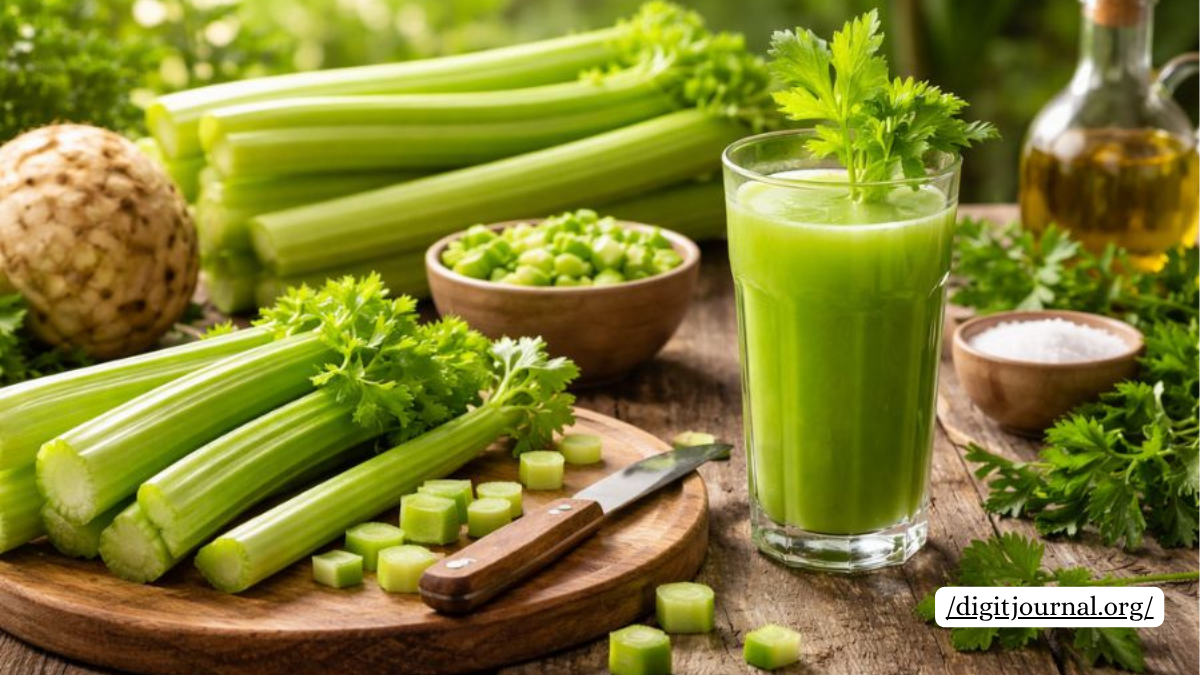
The term pravi celer refers to true celery, a highly valued vegetable known for its crisp texture, refreshing flavor, and impressive nutritional profile. Widely used across cuisines, praviceler stands out as both a culinary staple and a functional food with numerous health benefits.
In this comprehensive guide, we explore everything you need to know about praviceler—from its origins and varieties to its nutritional value, culinary uses, and growing techniques. Whether you’re a home cook, gardener, or health-conscious reader, this article provides a complete and practical understanding of pravi celer.
What Is Pravi Celer and Why It Matters
Pravi celer is commonly associated with the plant species Apium graveolens, which includes both stalk celery and celeriac (celery root). It is prized for its versatility, as nearly every part of the plant can be used in cooking, from crunchy stems to aromatic leaves and nutrient-rich roots.
Its importance goes beyond taste. Pravi celer plays a role in balanced diets, culinary traditions, and even herbal practices, making it a vegetable that bridges nutrition and gastronomy.
Origins and Historical Significance
The history of pravi celer dates back thousands of years, with origins traced to the Mediterranean region. Ancient civilizations used celery not only as food but also for medicinal and ceremonial purposes.
Over time, cultivation spread across Europe and Asia, evolving into different varieties. Today, pravi celer remains deeply embedded in traditional and modern cuisines alike.
Types and Varieties of Pravi Celer
There are several types of praviceler, each offering distinct characteristics. The most common include stalk celery, leaf celery, and celeriac, also known as celery root.
These variations differ in flavor intensity, texture, and culinary applications. Understanding these differences helps in selecting the right type of praviceler for specific recipes or uses.
Nutritional Profile of Pravi Celer
Praviceler is often considered a low-calorie, nutrient-dense vegetable. It contains vitamins such as vitamin K, vitamin C, and folate, along with essential minerals like potassium.
Its high water content and dietary fiber make it ideal for hydration and digestion. This combination contributes to its reputation as a health-supportive food.
Health Benefits of Pravi Celer
One of the most notable benefits of praviceler is its support for digestive health. The fiber content aids gut function, while natural compounds may help reduce inflammation.
Additionally, praviceler is often associated with heart health due to its potassium levels and antioxidant properties, making it a valuable addition to a balanced diet.
Culinary Uses and Versatility
Pravi celer is incredibly versatile in the kitchen. It can be eaten raw in salads, cooked in soups and stews, or blended into juices and smoothies.
Its subtle flavor enhances dishes without overpowering them. This adaptability makes pravi celer a staple ingredient in many global cuisines.
Taste and Texture Characteristics
The taste of pravi celer is mildly bitter with a refreshing, slightly peppery undertone. Its crisp texture adds a satisfying crunch when consumed raw.
When cooked, the flavor becomes softer and more aromatic. This transformation makes pravi celer suitable for both fresh and cooked dishes.
Growing Pravi Celer at Home
Growing pravi eler requires patience and attention to detail. It thrives in cool climates with consistent moisture and nutrient-rich soil.
With proper care, including regular watering and spacing, home gardeners can successfully cultivate pravi celer for personal use.
Soil, Climate, and Care Requirements
Praviceler grows best in well-drained, fertile soil with a neutral pH level. It requires steady watering to prevent bitterness and ensure proper development.
Cool temperatures are ideal, as excessive heat can affect growth. Providing shade during warmer periods can improve yield and quality.
Harvesting and Storage Techniques
Harvesting praviceler depends on the variety. Stalk celery is typically cut at the base, while celeriac is harvested by removing the root from the soil.
Proper storage is essential to maintain freshness. Refrigeration helps preserve the crispness and flavor of praviceler for extended periods.
Comparison of Pravi Celer Types
| Type | Appearance | Flavor | Common Uses | Nutritional Focus |
|---|---|---|---|---|
| Stalk Celery | Long green stems | Mild, fresh | Salads, snacks | Hydration, fiber |
| Leaf Celery | Thin stems, leafy tops | Stronger, herbal | Garnishes, soups | Vitamins, antioxidants |
| Celeriac | Round root bulb | Earthy, nutty | Purees, roasts | Fiber, minerals |
This table highlights how each form of praviceler serves a unique purpose, making it a versatile ingredient in diverse culinary contexts.
Pravi Celer in Modern Diet Trends
Pravi celer has gained popularity in modern health trends, particularly in detox diets and juice cleanses. Its low calorie content and high water percentage make it appealing for weight management.
While trends come and go, the enduring appeal of pravi celer lies in its nutritional balance and adaptability, not just short-term fads.
Common Misconceptions About Pravi Celer
A common misconception is that pravceler lacks nutritional value due to its high water content. In reality, it provides essential vitamins and minerals.
Another myth is that it is only suitable for dieting. Praviceler is a well-rounded food that fits into a variety of dietary patterns beyond weight loss.
Sustainability and Environmental Impact
Praviceler is relatively sustainable when grown locally, as it requires moderate resources compared to more intensive crops. Seasonal cultivation can reduce environmental impact.
Choosing locally sourced praviceler supports sustainable agriculture and reduces the carbon footprint associated with transportation.
Practical Tips for Cooking with Pravi Celer
To maximize flavor, it’s important to pair praviceler with complementary ingredients like herbs, citrus, or spices. This enhances its natural taste without overpowering dishes.
Chopping techniques also matter. Uniform cuts ensure even cooking and consistent texture, improving the overall quality of meals.
Flavor Pairings and Recipe Ideas
Praviceler pairs well with ingredients such as carrots, onions, garlic, and herbs like parsley. These combinations form the base of many classic dishes.
It can also be used creatively in juices, stir-fries, and roasted vegetable medleys, offering both flavor and nutritional value.
The Role of Pravi Celer in Global Cuisine
Different cultures incorporate praviceler in unique ways. In European cuisine, it is often used in soups and stews, while in Asian cooking, it appears in stir-fries.
This global versatility demonstrates the adaptability of praviceler across diverse culinary traditions and flavor profiles.
Quote on Food and Simplicity
“Great cooking begins with simple ingredients used thoughtfully.”
This quote reflects the essence of pravi celer, highlighting how even a humble vegetable can elevate dishes when used with care and creativity.
Future Trends and Market Demand
The demand for pravi celer is expected to grow as more people prioritize healthy eating and plant-based diets. Its versatility aligns well with evolving consumer preferences.
Innovations in agriculture and food processing may further expand its applications, making pravi celer even more accessible and popular.
Conclusion
Pravi celer stands out as a versatile, nutritious, and widely appreciated vegetable with deep historical roots and modern relevance. From its health benefits to its culinary adaptability, it continues to be a valuable addition to diets around the world.
As awareness of healthy eating grows, pravi celer is likely to maintain its importance in both traditional and contemporary food practices, offering a balance of flavor, nutrition, and sustainability.
FAQ
What is praviceler?
Praviceler refers to true celery, a versatile vegetable known for its crisp texture, mild flavor, and nutritional benefits.
Is praviceler healthy?
Yes, praviceler is rich in vitamins, minerals, and fiber, making it a healthy addition to balanced diets.
How can I use praviceler in cooking?
Praviceler can be eaten raw, cooked in soups, blended into juices, or used as a base ingredient in many recipes.
Can I grow pravi celer at home?
Yes, praviceler can be grown at home with proper soil, consistent watering, and a cool climate.
What does pravi celer taste like?
Praviceler has a mild, slightly bitter taste with a refreshing and crisp texture.