








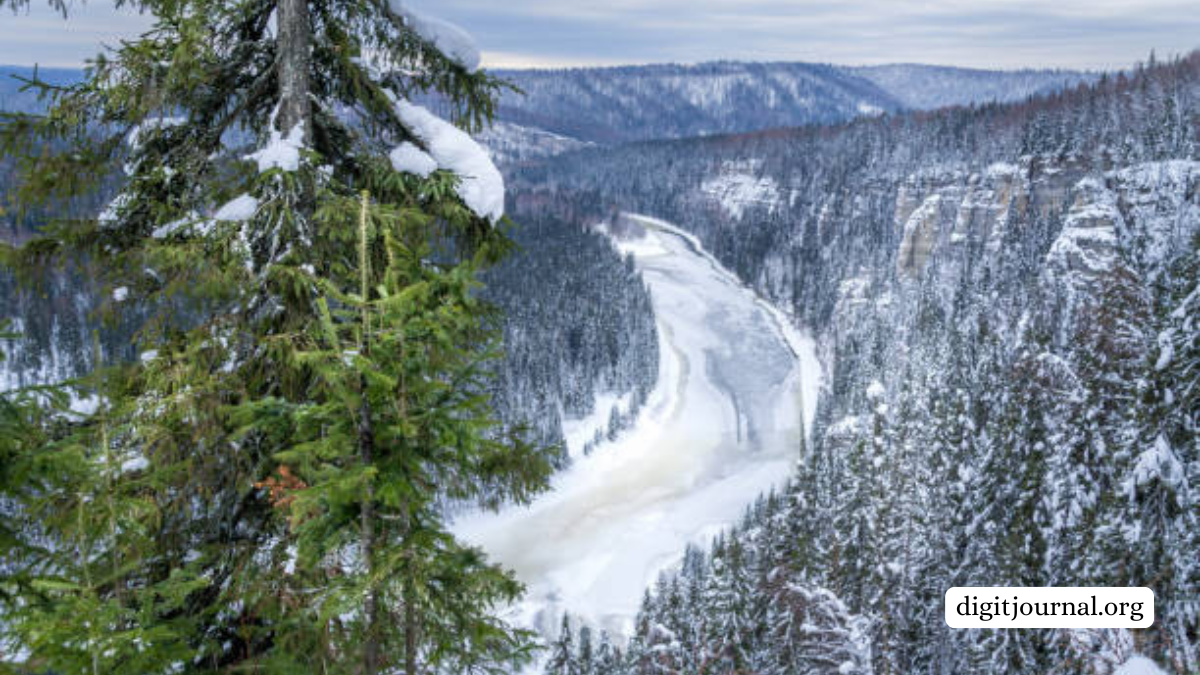
The Ural Mountains stand as one of the most significant natural landmarks on Earth, stretching across western Russia and into Kazakhstan. Often regarded as the traditional boundary separating Europe and Asia, this ancient mountain range has played a vital role in shaping geography, history, and human civilization. Unlike towering ranges such as the Himalayas, the Urals are relatively modest in height, yet their importance lies in their age, resource richness, and cultural symbolism.
What makes the Ural Mountains particularly fascinating is their diversity. From icy tundras in the north to forested hills and steppe regions in the south, the range showcases a wide spectrum of ecosystems. This article explores everything from their geological origins to their economic significance, offering a comprehensive understanding of why the Ural Mountains remain a cornerstone of Eurasian identity.
Where Are the Ural Mountains Located?
The Ural Mountains extend approximately 2,500 kilometers from the Arctic Ocean in the north to the Ural River and northwestern Kazakhstan in the south. This long stretch makes them one of the most continuous natural features dividing two continents. Running roughly north to south, they form a geographical line that has historically defined the eastern edge of Europe.
The range is divided into several regions, including the Polar Urals, Northern Urals, Middle Urals, and Southern Urals. Each section has its own distinct landscape and climate. Major cities such as Yekaterinburg and Perm lie close to the mountains, serving as important cultural and industrial hubs. These cities act as gateways for exploring the region and highlight the mountains’ integration into human settlement.
Geological History and Formation
The Ural Mountains are among the oldest mountain ranges in the world, formed over 250 million years ago during the late Paleozoic era. They were created when the eastern edge of the European continent collided with a microcontinent known as Siberia. This tectonic activity caused the الأرض’s crust to fold and rise, forming the mountains we see today.
Due to their immense age, the Urals have undergone significant erosion, which explains their relatively low elevation compared to younger ranges. However, this long geological history has made them incredibly rich in minerals. The mountains are known for deposits of iron, copper, gold, and even precious stones like emeralds. Their geological composition provides valuable insights into Earth’s ancient past and continues to support modern industries.
Physical Features and Landscape
The landscape of the Ural Mountains is as diverse as it is expansive. The highest peak, Mount Narodnaya, rises to about 1,895 meters. While not extremely tall, it offers stunning views and challenging terrain for climbers and adventurers.
The region is dotted with rivers such as the Ural River, which flows into the Caspian Sea, and countless valleys carved by glacial activity. Dense forests dominate the central areas, while the northern sections are covered in tundra. This variety of landscapes makes the Urals a unique natural environment that supports both biodiversity and tourism.
Climate and Environmental Conditions
The climate of the Ural Mountains varies significantly from north to south. In the northern regions, harsh Arctic conditions prevail, with long winters and short, cool summers. Snow can cover the ground for much of the year, creating a stark yet beautiful environment.
In contrast, the southern Urals experience a more temperate climate, with warmer summers and milder winters. This variation influences not only the vegetation but also human activities such as agriculture and settlement. Seasonal changes are dramatic, with vibrant autumn colors and lush summer greenery offering breathtaking scenery.
Flora and Fauna of the Ural Mountains
The Ural Mountains are home to a rich array of plant and animal life. The central regions are covered with dense taiga forests, consisting mainly of pine, spruce, and birch trees. As one moves north, the vegetation transitions into tundra, characterized by mosses and lichens.
Wildlife in the region is equally diverse. Animals such as brown bears, wolves, lynx, and elk inhabit the forests, while smaller species like foxes and hares are commonly found. The mountains also provide habitat for numerous bird species, making them a hotspot for biodiversity. Conservation efforts are ongoing to protect this unique ecosystem from industrial impact.
Natural Resources and Economic Importance
One of the most significant aspects of the Ural Mountains is their богатство in natural resources. The region has long been a التعدين powerhouse, supplying essential minerals that have fueled Russia’s industrial growth. Iron ore, coal, copper, and gold are among the most valuable resources استخراج from the mountains.
Industrial cities near the Urals have developed around mining and металлургия industries. This economic importance dates back centuries, making the region a cornerstone of Russia’s development. Even today, the Urals remain a key contributor to the country’s economy, supporting both local communities and global markets.
Cultural and Historical Significance
The Ural Mountains have played a crucial role in shaping Russian history and culture. They acted as a natural barrier during periods of expansion and served as a gateway to Siberia. Indigenous peoples have lived in the region for thousands of years, preserving unique traditions and ways of life.
In literature and folklore, the Urals are often depicted as mysterious and богат in legends. Stories of hidden treasures and mythical creatures add to their cultural allure. The mountains also served as strategic نقاط خلال historical events, further cementing their importance in the region’s heritage.
Tourism and Travel in the Ural Mountains
Tourism in the Ural Mountains has grown steadily, attracting nature lovers and adventure seekers. Popular activities include hiking, skiing, and wildlife مشاهدة. The region’s разнообраз landscapes make it suitable for both الصيف and الشتاء tourism.
Travelers can explore national parks, زيارة remote villages, and experience the rich culture of the area. Accessibility has improved over the years, with cities like Yekaterinburg serving as major entry points. Whether seeking adventure or tranquility, the Urals offer something for every traveler.
The Ural Mountains as a Continental Boundary
The Ural Mountains are widely recognized as the dividing line between Europe and Asia. This classification dates back to ancient geographers who sought to define the العالم’s continents. Although the boundary is somewhat symbolic, it remains widely accepted today.
Culturally, this division has influenced identities and perspectives in the region. The Urals represent a نقطة التقاء between East and West, blending traditions, languages, and lifestyles. This unique position enhances their significance beyond مجرد geography.
Environmental Challenges and Conservation
Despite their natural beauty, the Ural Mountains face several environmental challenges. Industrial activities, particularly mining and manufacturing, have led to pollution and habitat destruction. These issues threaten the المنطقة’s biodiversity and ecological balance.
Efforts are being made to address these challenges through conservation programs and the establishment of protected areas. Sustainable practices are increasingly being adopted to ensure that the Urals remain a vital natural resource for future generations. Balancing economic development with environmental protection remains a key priority.
Conclusion
The Ural Mountains are far more than just a سلسلة جبلية; they are a symbol of natural history, cultural heritage, and economic القوة. From their ancient geological origins to their role as a continental boundary, they continue to shape the identity of Eurasia.
As both a natural wonder and a vital resource, the Urals hold a unique place in the world. Their enduring significance reminds us of the importance of preserving such landscapes while continuing to learn from their rich history.
FAQs
What countries do the Ural Mountains pass through?
They primarily run through Russia and extend into Kazakhstan.
Why are the Ural Mountains important?
They serve as a natural boundary between Europe and Asia and are rich in natural resources.
Are the Ural Mountains the official border between Europe and Asia?
Yes, they are widely accepted as the traditional dividing line.
What is the highest peak in the Ural Mountains?
Mount Narodnaya is the highest peak.
What kind of animals live in the Ural Mountains?
Wildlife includes bears, wolves, lynx, and various bird species.
Can tourists visit the Ural Mountains?
Yes, the region offers many турист attractions and outdoor activities.
How old are the Ural Mountains?
They are over 250 million years old.
What natural resources are found in the Ural Mountains?
They contain iron, gold, copper, and other valuable minerals.
Also Read: blume heat erfahrungen